Views: 0 Author: Site Editor Publish Time: 2026-07-01 Origin: Site


Procuring marine mooring lines is never a simple commodity purchase. Instead, it represents a critical risk-management and operational efficiency decision for modern fleets. Selecting incorrect or outdated rope specifications frequently leads to premature line failure. Such failures cause prolonged port turnarounds, heighten fatal snap-back injury risks, and trigger compliance rejections during terminal vetting. As vessels grow larger and port schedules tighten, you need absolutely reliable equipment to secure your maritime assets. We designed this comprehensive guide to help you navigate these complex choices. It provides maritime procurement managers and technical superintendents with a clear, evidence-based framework. You will learn exactly how to evaluate, shortlist, and select the right rope materials and constructions. We base all recommendations on vessel classification, operational demands, and stringent global industry standards. By mastering these principles, you ensure safer decks and smoother port operations.
Strategic line selection directly influences your daily fleet operations. Upgrading your equipment does much more than simply hold a vessel to a pier. It fundamentally changes how your crew interacts with heavy deck machinery.
Modern ports demand rapid turnaround times. Heavy traditional ropes severely slow down these mooring processes. Heavy lines quickly cause crew fatigue during high-frequency port calls. Lightweight synthetic lines drastically reduce manual handling time. They require fewer deckhands to manipulate. This efficiency helps your vessel clear the berth faster and maintain strict sailing schedules.
Parted ropes create fatal snap-back zones. When a highly tensioned line breaks, it whips across the deck at lethal speeds. We must address this fatal reality head-on. Modern engineered lines feature specialized recoil-dampening properties. They absorb energy upon failure rather than snapping back uncontrollably. Upgrading your lines actively protects human life.
Global authorities closely monitor maritime mooring practices. Organizations like ClassNK and OCIMF enforce strict safety guidelines. The MEG4 framework dictates precise performance standards for liquid cargo vessels. You must match your rope capabilities to your Ship Design Minimum Breaking Load (SDMBL). Failing this alignment results in delayed terminal operations. In severe cases, terminals will outright reject your vessel during vetting.
You cannot use a one-size-fits-all approach for marine ropes. Different synthetic fibers offer distinct advantages and weaknesses. Understanding these chemical properties helps you make informed procurement choices.
This advanced fiber dominates modern commercial shipping. It provides steel-wire equivalent strength at a fraction of the weight. UHMWPE Mooring Rope floats on water and exhibits minimal stretch under load. While it requires a higher upfront investment, it delivers an exceptional lifespan. We highly recommend it for large commercial fleets. Rapid deployment and drastic weight reduction are critical in these environments.
Nylon behaves very differently from rigid polyethylene. It features high elasticity and can stretch up to 30 percent before breaking. This stretch provides excellent energy absorption during sudden surges. However, nylon loses significant strength when wet. Therefore, a Nylon Mooring Rope works best for specific applications requiring shock absorption. Crews frequently use them as mooring tails or specialized pendants rather than primary holding lines.
Polyester delivers incredibly reliable performance across diverse conditions. It features moderate stretch and excellent resistance to ultraviolet light. Unlike nylon, polyester maintains stable strength whether wet or dry. Manufacturers often blend polyester and polypropylene to create mixed copolymer lines. These blends offer superior abrasion resistance. They excel in general-purpose mooring and environments presenting high chafing risks.
| Material Type | Key Characteristic | Best Marine Application | Stretch Profile |
|---|---|---|---|
| UHMWPE | Steel-wire strength, floats | Large commercial fleet main lines | Very Low |
| Nylon | High energy absorption | Mooring tails, shock pendants | High (up to 30%) |
| Polyester | UV stability, wet/dry retention | General-purpose, high chafing areas | Moderate |
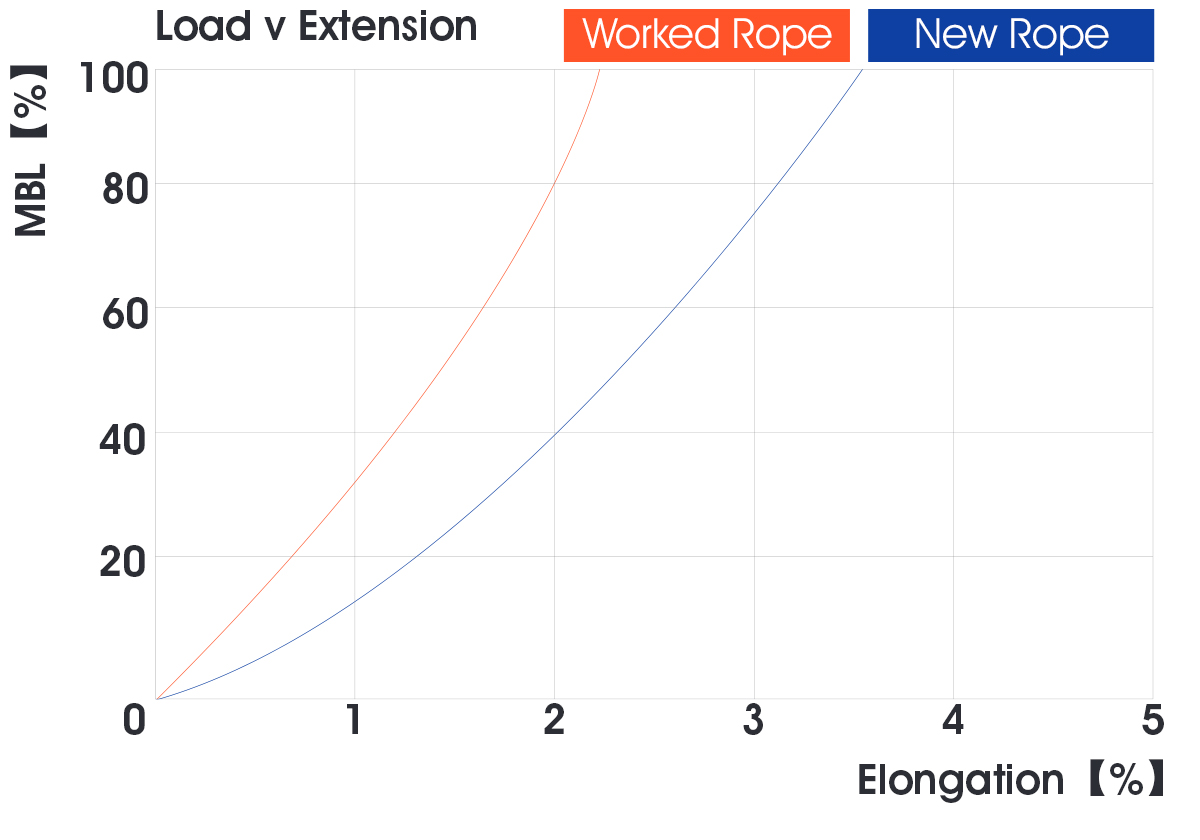
Every vessel class faces unique environmental forces. You must tailor your equipment selection to match these specific operational challenges.
Container ships present massive windage areas. Stacked boxes act like giant sails while docked. This creates immense lateral forces against the pier. Furthermore, these vessels operate on notoriously tight port schedules. They require fast handling to optimize container crane operations. Your ideal solution is high-performance ultra-high molecular weight polyethylene. When sourcing a Mooring Rope for Container Ships, focus heavily on low creep. Prioritize high strength-to-weight ratios to significantly speed up winch operations.
Liquid cargo operations involve highly hazardous environments. Oil and chemical terminals enforce strict adherence to MEG4 standards. You must prevent static friction sparks during deck operations. You also need to ensure uniform stiffness across all deployed lines to distribute loads evenly. We strongly recommend fully certified MEG4-compliant line sets. A reliable Mooring Rope for Tankers pairs the main rope with correctly matched tails. Emphasize heavy-duty jacketed covers. These jackets protect the core fibers from deck abrasion and severe environmental degradation.
Tugboats endure the most brutal line conditions in the maritime industry. Their operations involve constant dynamic loading. They experience sudden shock impacts during ship-assist maneuvers. They also face severe multi-directional abrasion against vessel hulls. You need specialized equipment to survive these forces. A premium Tug Towing Line combines a high-strength UHMWPE core alongside a heavy-duty braided protective jacket. You must place high emphasis on fatigue resistance and dynamic energy absorption capabilities.
Evaluating vendor proposals requires looking past the basic price tag. You need a systematic approach to technical evaluation. Use these four dimensions to benchmark your equipment correctly.
You must meticulously match line strength to your vessel's specific equipment parameters. Every ship possesses a designated Ship Design Minimum Breaking Load. Many operators mistakenly believe stronger is always better. Dangerous over-speccing creates a severe hazard. If a line exceeds the safe working load of your deck bitts or fairleads, the deck hardware might rip out before the line parts. Always align your rope's MBL precisely with your SDMBL.
Constant friction destroys synthetic fibers. Fairlead chafing is the primary cause of premature failure. Evaluate the proprietary marine coatings offered by manufacturers. High-quality polyurethane coatings penetrate the fiber bundles to reduce internal friction. Protective jackets offer an external shield against rough concrete piers and rusted deck hardware. These defensive layers drastically extend operational life.
As previously mentioned, snap-back incidents kill seafarers. You must evaluate built-in safety mechanisms. Many premium ropes now incorporate engineered safety cores. These sub-cores visually indicate severe wear. If the outer jacket breaches, a brightly colored inner core warns the crew immediately. Other designs actively dampen recoil energy if the tension reaches breaking point.
Deck environments expose ropes to continuous chemical and solar attacks. Ultraviolet radiation breaks down molecular bonds over time. Hydraulic fluid spills and cargo chemicals further degrade fiber integrity. Factor in these prolonged exposures when selecting materials. Ensure your chosen ropes feature robust UV inhibitors and strong chemical resistance ratings.
Procurement only solves half the equation. How your crew manages the equipment dictates its actual performance. Robust management protocols prevent catastrophic failures.
Do not rely solely on manufacturer lifespan claims. Factory estimates rarely account for your specific operational rigors. Instead, establish strict baseline testing. Track actual operational hours closely using your vessel's planned maintenance system. Real-world usage hours provide a far more accurate metric than simple calendar age.
Train your crews to conduct thorough visual inspections before every port call. They must know exactly what visual cues indicate structural compromise. Look out for the following critical warning signs:
Lines rarely wear evenly. The sections rubbing against fairleads take the most damage. Implement a strict policy for end-for-ending your lines. Reversing the rope distributes the physical wear evenly across its entire length. Furthermore, strictly enforce the use of proper chafe gear at all fairleads and chocks. This simple physical barrier saves immense amounts of money and extends equipment life.
You must establish objective parameters for taking lines out of service. Subjective guessing leads to accidents. Follow this sequential framework to determine retirement:
Selecting the right marine rope successfully bridges the gap between operational efficiency and human safety. Relying on outdated specifications puts your crew, your vessel, and your commercial reputation at serious risk. By matching specific fiber characteristics to your vessel's unique demands, you optimize port turnarounds and eliminate vetting rejections.
We advise technical buyers to audit their current deck equipment thoroughly before requesting formal vendor quotes. Check your winches, bitts, and fairleads to confirm your exact SDMBL parameters. Finally, always partner with manufacturers who offer vessel-specific mooring analysis alongside full MEG4 compliance documentation. Proactive planning today guarantees safe, reliable mooring operations tomorrow.
A: Lifespan depends heavily on operating hours and fairlead condition. They typically last three to five years. Proper maintenance and end-for-ending extend this duration significantly. However, objective residual strength testing ultimately dictates actual retirement. Do not rely solely on calendar years.
A: OCIMF updated these guidelines after severe industry mooring accidents. The rules prioritize human safety and prevent catastrophic line failures. They mandate standardized Line Management Plans and rigorous baseline testing. Terminals strictly enforce these rules. If your ship fails vetting, you lose critical operational windows.
A: We do not recommend nylon as the primary main line for large commercial vessels. Nylon provides excellent shock absorption, making it ideal for mooring tails. However, its high stretch and significant loss of wet strength make it unsuitable for holding massive windage areas. UHMWPE or polyester serve this role better.
A: Minimum Breaking Load indicates the absolute strength of a line when brand new. Line Design Break Force is a specific force standard introduced in MEG4. You use LDBF to match your rope precisely to the ship's mooring fittings and safe working limits. This completely prevents dangerous over-speccing.


