Views: 0 Author: Site Editor Publish Time: 2026-07-30 Origin: Site


High-chafe ports present harsh realities for synthetic lines. Heavy swells, rough concrete quays, and poorly maintained terminal bollards constantly threaten deck equipment. These abrasive conditions accelerate line degradation faster than typical maritime environments. Premature wear significantly reduces Mooring Rope Service Life. This rapid degradation leads to unbudgeted replacement costs. It triggers strict compliance failures during rigorous vetting inspections. More importantly, it creates severe safety hazards like deadly snap-back risks. You cannot afford to ignore these vulnerabilities in challenging ports. Extending line lifespan requires a strategic approach. We must blend smart procurement, localized hardware protection, and objective replacement criteria. This guide outlines how you can evaluate and implement these targeted solutions. You will learn to deploy hardware upgrades, track compliance metrics, and execute maintenance protocols. We aim to help you protect your operational bottom line effectively. This proactive mindset guarantees safer deck operations.
Start by framing the specific mechanics of abrasion in challenging marine environments. Continuous tidal variations cause lines to rub incessantly against rough concrete quays. Dynamic swell loading introduces sudden tension spikes throughout the mooring arrangement. These spikes drag synthetic fibers across unpolished fairleads under immense pressure. This constant friction acts like a slow saw blade. It cuts through exterior fibers and compromises underlying structural integrity rapidly.
The hidden costs extend far beyond the retail price of new replacement lines. You face massive operational expenses. Increased deck crew labor drains daily productivity. Replacing massive lines requires heavy lifting and valuable man-hours. Potential port delays cost operators thousands of dollars every single hour. Furthermore, you carry immense liability operating vessels using lines holding compromised residual strength. A parted line can cause catastrophic injury or millions in infrastructure damage.
Your success criteria must remain grounded and realistic. You cannot eliminate wear entirely. The ocean guarantees constant movement and inevitable friction. Instead, your goal is to manage wear predictably. You want your equipment to safely reach the manufacturer-stated Mooring Rope Service Life. Avoiding premature failure keeps budgets stable and crews safe. Predictability allows for scheduled replacements rather than chaotic emergency purchasing.
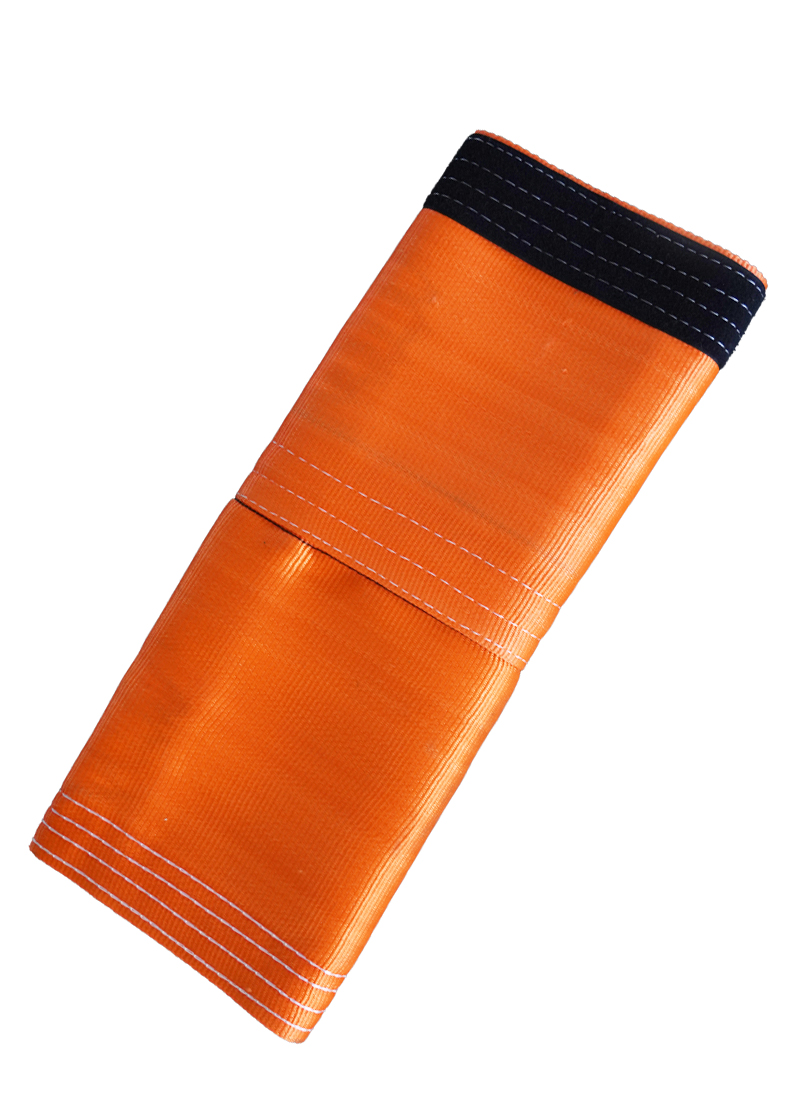
Deploying the right chafing gear forms your very first line of defense. High-density polyurethane protectors handle heavy localized friction perfectly. They provide a rigid, slippery barrier against rough steel. Heavy-duty canvas protectors offer unique flexibility. They wrap easily around complex bends but wear out faster under heavy strain. You must position these protectors accurately at fairleads and chocks.
| Protector Material | Best Application | Durability Level | Flexibility Level |
|---|---|---|---|
| High-Density Polyurethane | Heavy localized friction, rough metal fairleads | Extremely High | Low (Rigid structure) |
| Heavy-Duty Canvas | Complex bends, light contact zones | Moderate | High (Wraps easily) |
Next, consider the critical role of synthetic stretch. Stiff HMPE systems lack natural give. You must integrate synthetic Mooring Tails to introduce necessary elasticity. They absorb violent shock loads during sudden swells effectively. By stretching, they reduce the grinding friction generated by intense vessel surging. They act as essential sacrificial shock absorbers for your expensive primary lines.
Implementation reality dictates one absolute rule. No rope survives a rusted or grooved fairlead. Scored metal acts exactly like a cheese grater against soft synthetic fibers. Regular hardware inspection remains entirely non-negotiable. Deck crews must polish fairleads periodically using appropriate grinding tools. They must grease rollers to ensure smooth, free movement. A stationary roller forces the rope to slide rather than roll freely. This sliding action melts synthetic fibers almost instantly due to extreme friction heat.
Evaluating materials correctly prevents expensive procurement mistakes later. Standard synthetics like polyester and polypropylene blends work fine in benign conditions. However, they degrade rapidly in high-chafe environments. Specialized Abrasion-Resistant Mooring Rope utilizes advanced fibers like HMPE or Dyneema®. These ultra-high molecular weight materials naturally resist friction better than traditional plastics. They slide smoothly over hardware, minimizing heat generation and surface damage.
Consider the architectural differences between line types carefully. A fully Jacketed Mooring Rope offers superior protection. It features a strong load-bearing core surrounded by a tightly braided synthetic cover. The exterior jacket takes all the abrasive damage during port calls. Meanwhile, it preserves the core’s structural integrity completely. The primary trade-off involves routine inspection challenges. You cannot easily see internal core damage through the thick cover. Manufacturers solve this issue cleverly. They weave specific visual indicators or contrasting color yarns into the core. If the core snaps or stretches dangerously, the indicators reveal the hidden damage visually.
Apply strict ROI logic during the shortlisting process. Upgrading requires a higher initial capital expenditure. However, buyers must look at long-term operational expenses. Does your vessel call at high-chafe ports more than 30% of the time? If yes, the premium paid for jacketed or HMPE lines pays off rapidly. You typically recover the extra expense within 18 months. Reduced replacement cycles and lower deck maintenance hours drive this swift financial recovery.
Industry standards demand rigorous safety protocols from operators. The OCIMF MEG4 guidelines provide an authoritative framework for service life evaluation. They mandate a fundamental shift away from visual guesswork. Vessel operators must follow these guidelines closely to ensure maximum safety during critical port operations.
Every vessel must maintain a documented Line Management Plan (LMP). You cannot simply rely on chronological age to evaluate line health. A line sitting in a locker for two years remains pristine. A line deployed daily in harsh ports degrades quickly. The LMP tracks actual line usage meticulously. You must record active hours in use. You must document specific port conditions encountered during deployment. You must log severe tension events and weather extremes. This data-driven approach accurately predicts remaining safe usage limits.
Establish objective retirement triggers for your deck crews. Train them to identify the stark difference between normal wear and critical failure. Acceptable surface fuzzing actually protects the rope underneath. It creates a soft barrier against further friction. Do not retire lines prematurely based on slight fuzziness. Conversely, you must act immediately upon finding critical structural damage. Friction generates intense heat quickly. This heat melts synthetic polymers, creating hard, fused patches. These hard spots lack flexibility and snap under tension.
Look for these critical retirement triggers during inspections:
End-for-ending routines effectively maximize your initial investment. You simply reverse the rope periodically according to your LMP schedule. This practice moves the high-friction contact points to different sections of the line. It distributes wear zones evenly across the entire length. By shifting the heavy strain, you effectively double the usable life of the working end.
Routine visual inspections prevent catastrophic failures. You must execute a step-by-step post-berthing inspection protocol every single time you leave port.
Proper storage and handling procedures reduce hidden internal damage significantly. Saltwater dries and leaves sharp microscopic salt crystals inside the rope bundle. These crystals slice through internal fibers as the rope flexes under load. You must wash out salt and grit regularly using clean fresh water. After washing, ensure the lines dry completely before stowing. Store them carefully away from direct sunlight. Prolonged UV exposure degrades synthetic strength over time. Keep them elevated away from deck chemicals, grease, and battery acid.
Extending rope lifespan is a continuous, active process. You must blend smart procurement strategies using jacketed and abrasion-resistant materials. You must pair this with rigorous deck-level management daily. Deploying protectors, utilizing stretch tails, and performing consistent hardware maintenance guarantee better performance. Proper care prevents emergency replacements and protects your deck crew from fatal accidents.
Your next step requires immediate action. Urge your fleet managers and superintendents to audit current Line Management Plans today. Assess whether your current rope specifications truly handle your most challenging port calls. Evaluate your hardware condition honestly. Upgrade your protective gear before your next demanding voyage begins.
A: Lifespan is defined by active usage hours and physical condition per MEG4 guidelines, not just chronological age. A rope used daily in rough ports degrades much faster than one used occasionally. Service life varies highly based on material quality, environmental exposure, and port conditions encountered. Regular, objective inspections determine actual retirement dates.
A: Modern jacketed lines use specialized core designs and advanced inspection protocols to address this concern. Manufacturers include visual indicator yarns that reveal over-tensioning. Furthermore, the robust outer jacket significantly reduces the primary cause of internal wear by blocking destructive grit and salt ingress from reaching the core fibers.
A: Replace protectors when they show significant physical deterioration. For polyurethane models, look for deep cracks or missing chunks. For canvas protectors, replace them when the outer layers wear entirely through to the final ply. Always replace them before the primary line becomes exposed directly to the fairlead surface.
A: Yes, they significantly extend primary line lifespan. Tails take the brunt of dynamic wear and severe shock-loading. They add necessary elasticity to stiff systems. They are designed specifically as sacrificial, easily replaceable components. They protect your higher-cost primary rope from devastating friction and sudden tension spikes.


