Views: 0 Author: Site Editor Publish Time: 2025-12-25 Origin: Site


Choosing the right marine rope is essential for safe and efficient boating. Whether you’re docking, towing, or sailing, the rope’s strength, stretch, and durability will directly affect performance. In this article, we will explore these key factors and guide you on selecting the best rope for your needs. You’ll learn how material properties and rope construction impact its use and performance on the water.
The strength of a marine rope is crucial for ensuring safety during high-load applications, like anchoring and towing.
| Material | Tensile Strength | Stretch | Water Absorption | Abrasion Resistance | Ideal Applications | Key Reminders |
|---|---|---|---|---|---|---|
| Nylon (Polyamide) | High tensile strength (~8,000-12,000 lbs) | High stretch (up to 25%) | Absorbs water, reducing strength by 10-15% | Good | Anchor lines, Docking ropes, Towing | - Loses strength when wet. - Best for shock absorption and dynamic loads. |
| Polyester (Dacron) | High tensile strength (~8,000-10,000 lbs) | Low stretch (~5%) | Minimal absorption | Excellent | Sailing rigging, Halyards, Mooring lines | - Best for UV and abrasion resistance. - Less shock absorption than Nylon. |
| Dyneema (HMPE) | Exceptional strength (~20,000-30,000 lbs) | Very low stretch (~2-5%) | Negligible absorption | Superior | High-performance sailing, Standing rigging, Heavy towing | - Ultra-light, but susceptible to heat and friction damage. - Ideal for high-strength applications. |
| Polypropylene | Moderate tensile strength (~2,000-3,000 lbs) | Moderate stretch (up to 10%) | Floats (absorbs little water) | Low | Safety lines, Water sports ropes, Marker buoys | - Great for floating, but prone to UV degradation. - Use for less demanding tasks. |
Tip: Nylon ropes are best for absorbing shock loads but should not be used in wet conditions for extended periods.
The stretch of a marine rope is essential for absorbing shock loads, especially during dynamic conditions like mooring and anchoring.
| Material | Stretch | Shock Absorption | Ideal Applications | Key Reminders |
|---|---|---|---|---|
| Nylon (Polyamide) | High stretch (up to 25%) | Excellent shock absorption | Anchor lines, Docking ropes, Towing | - Best for dynamic applications. - Stretch helps to absorb jerks and shocks. |
| Polyester (Dacron) | Low stretch (~5%) | Minimal shock absorption | Sailing rigging, Halyards, Mooring lines | - Best for control and stability. - Minimal elongation ensures precision. |
| Dyneema (HMPE) | Very low stretch (~2-5%) | Poor shock absorption | High-performance sailing, Heavy towing, Standing rigging | - Minimal stretch allows for tight control. - Not suitable for shock absorption. |
| Polypropylene | Moderate stretch (up to 10%) | Moderate shock absorption | Safety lines, Water sports ropes, Marker buoys | - Moderate stretch offers balance for less demanding tasks. - Floats well. |
Tip: Low-stretch ropes like polyester or Dyneema are preferred for tasks requiring tight control, such as sailing.
Durability is essential to ensure that ropes withstand harsh environmental conditions like UV exposure, abrasion, and water absorption.
| Material | UV Resistance | Abrasion Resistance | Water Absorption | Ideal Applications | Key Reminders |
|---|---|---|---|---|---|
| Nylon (Polyamide) | Moderate (degrades faster) | Good | Absorbs water, reducing strength by 10-15% | Docking ropes, Anchor lines, Towing | - Susceptible to UV degradation. - Water absorption reduces strength. |
| Polyester (Dacron) | Excellent (up to 10x better than Nylon) | Excellent | Minimal absorption | Sailing rigging, Mooring lines, Control lines | - Best for UV and abrasion resistance. - Durable for long-term exposure. |
| Dyneema (HMPE) | Excellent (UV resistant) | Superior | Negligible absorption | High-performance sailing, Heavy towing, Standing rigging | - Ideal for UV and abrasion resistance. - High strength, low maintenance. |
| Polypropylene | Poor (degrades quickly) | Low | Floats (absorbs little water) | Safety lines, Water sports ropes, Temporary uses | - Prone to UV degradation. - Great for buoyancy but not long-term durability. |
Nylon is widely regarded for its high strength and shock-absorbing stretch, making it perfect for anchor lines and docking. However, nylon ropes lose about 10-15% of their strength when wet, so they require regular inspection and maintenance to ensure performance. Despite this, its shock-absorbing capabilities make it ideal for dynamic conditions, such as when waves cause a boat to jerk at anchor.
Best For: Docking, anchor lines, towing.
Polyester ropes are known for their low stretch and resistance to UV and abrasion, making them perfect for rigging and control lines. Polyester’s resistance to UV degradation allows it to maintain strength and elasticity even in harsh outdoor environments, while its low stretch makes it ideal for applications that require tight control, like halyards and sheets.
Best For: Rigging, sail control lines, halyards, sheets.
Dyneema is a high-performance material with exceptional strength-to-weight ratio and minimal stretch. Known for its superior abrasion and UV resistance, Dyneema ropes are ideal for applications requiring maximum strength with minimal weight, such as standing rigging and high-load towing.
Best For: High-performance sailing, standing rigging, high-load applications.
Polypropylene is lightweight and buoyant, making it ideal for safety lines and water rescue applications. However, it has lower strength and UV resistance compared to nylon and polyester. It is also less durable and more prone to abrasion, making it best suited for temporary use or in situations where visibility on water is essential.
Best For: Safety lines, water sports, temporary applications.
When using marine ropes in dynamic conditions, the rope must absorb sudden forces without failure. Ropes like nylon with high stretch can handle shock loads effectively, making them ideal for anchoring. On the other hand, ropes like polyester or Dyneema have minimal stretch, making them unsuitable for shock loading but better suited for applications requiring precise control.
Ropes exposed to constant friction from hardware such as winches, cleats, and chocks need excellent abrasion resistance. Polyester and Dyneema are highly abrasion-resistant and work well in high-friction environments. Regular inspection and the use of chafe guards can further extend rope lifespan.
Prolonged exposure to UV rays can weaken and degrade marine ropes, especially those made from nylon or polypropylene. Polyester and Dyneema provide the best UV protection, ensuring longer service life in the sun. It’s essential to inspect ropes regularly for signs of UV degradation, such as discoloration and brittleness.
Ropes made from materials like nylon tend to absorb water, which can significantly reduce their strength by up to 15% when wet. This makes nylon less reliable in consistently wet conditions, as its shock-absorbing properties can be compromised. In contrast, Dyneema and polyester have minimal water absorption, making them ideal for high-performance marine applications that require reliable strength and durability, even in wet conditions.
When selecting ropes for dock lines, nylon is an excellent choice due to its shock-absorbing stretch, which helps absorb sudden forces from waves or movement. For mooring, polyester is preferred because its low stretch provides stability, while its superior UV resistance ensures long-lasting performance, even under prolonged exposure to sunlight.
For anchor lines, you need a rope that can withstand dynamic forces caused by waves or wind. Nylon’s stretch helps absorb shock loads, providing a buffer against sudden jerks. On the other hand, polyester offers low stretch, making it ideal for applications where minimal elongation is needed for better control and stability.
Polypropylene ropes are perfect for safety lines as they float on water, making them visible and easy to retrieve in case of emergencies. Dyneema, with its exceptional strength-to-weight ratio and minimal stretch, is ideal for towing as it provides high strength without compromising control under heavy loads, ensuring both safety and efficiency.
For sailing rigging, polyester is the best option due to its low stretch, which is essential for maintaining tight control of sails. It also offers excellent UV resistance, preventing degradation from prolonged sun exposure. This ensures that your halyards and sheets remain durable and reliable in all weather conditions.
| Rope Construction | Key Features | Strengths | Weaknesses | Ideal Applications | Key Reminders |
|---|---|---|---|---|---|
| Twisted Rope Builds | Highly flexible and durable. | Good stretch and flexibility. | May not hold knots as securely as braided ropes. | Mooring, Towing | - Easy to handle. - Best for general use but may slip under high tension. |
| Braided Rope Designs | Includes single, double, and solid braids. | Enhanced strength, durability, and knot security. | Can be stiffer than twisted ropes. | Dock lines, Halyards, Control lines | - Double-braid ropes provide superior handling and strength. - Ideal for securing loads. |
| Core-Sheath Rope Structures | Internal core with an outer sheath. | Superior abrasion resistance, flexibility. | Can be more expensive than other constructions. | Towing, Securing heavy loads | - Best for high-stress applications. - High resistance to wear and tear. |
| Construction and Handling | Affects how easy a rope is to handle and knot. | Braided ropes, especially double-braid, are easier to handle. | Twisted ropes may slip or lose knots under pressure. | Mooring, Rigging | - Braided ropes are best for knot-holding and smooth handling. - Consider application needs when choosing construction type. |
Tip: Double-braid ropes offer the best balance of strength, durability, and ease of handling, making them ideal for securing boats during mooring.
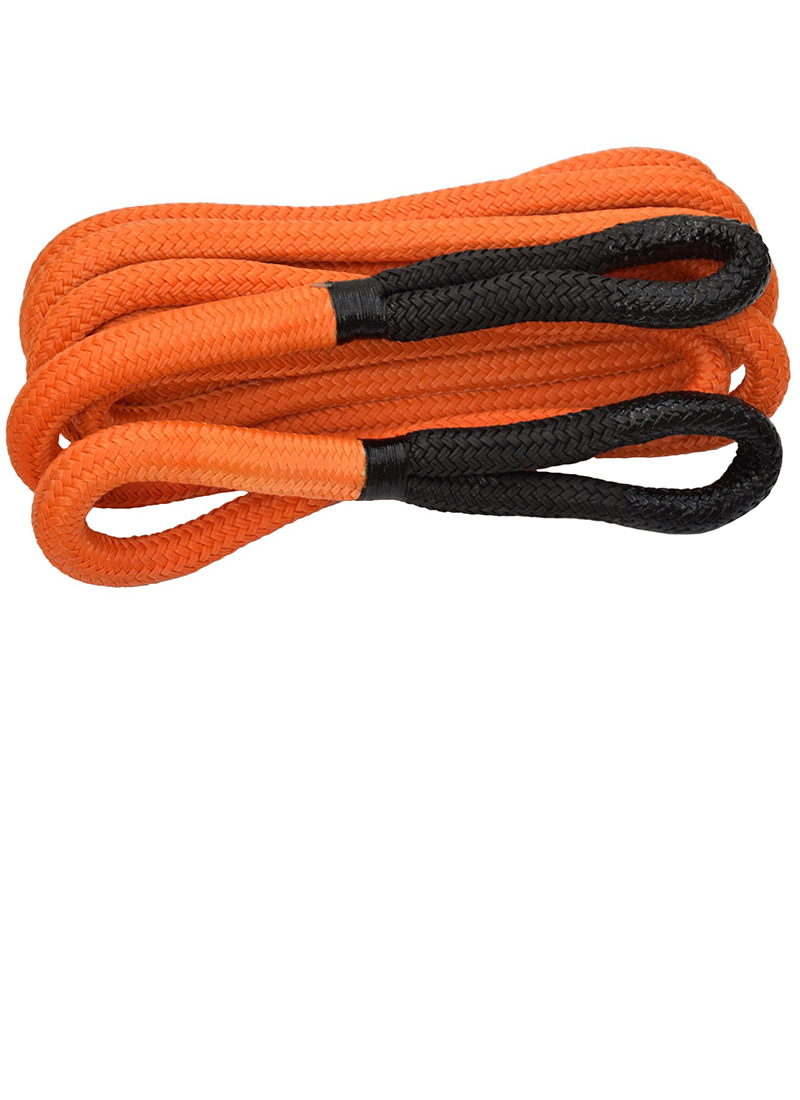
It’s essential to inspect your ropes regularly for signs of wear such as fraying, cuts, or UV damage. Checking ropes after every use ensures early detection of damage, allowing for timely replacement before a failure occurs. This practice helps extend the rope’s lifespan and ensures safety during marine operations.
After each use, rinse ropes with freshwater to remove salt and debris that can cause abrasion and weaken the fibers. Store ropes in a cool, dry, shaded area to prevent UV degradation and reduce wear over time. Proper cleaning and storage significantly enhance the durability and reliability of marine ropes.
While knots are convenient and easy to tie, they significantly reduce a rope's strength, often by up to 50%. This reduction can compromise safety, especially in high-load applications. For maximum strength and reliability, it is recommended to splice the rope instead of tying knots. Splicing helps retain about 80-90% of the rope’s original strength, ensuring the rope performs optimally under tension. Spliced ropes are more durable and secure, making them a safer choice for demanding marine tasks.
In this article, we discussed the key factors in choosing the right marine rope, focusing on strength, stretch, and durability. Understanding these factors is crucial for ensuring safety and performance in activities like docking, towing, and sailing. Different materials, such as Nylon, Polyester, Dyneema, and Polypropylene, provide unique benefits. Regular inspections and proper maintenance are vital for maximizing rope longevity. Xinglun Rope and Cable Co., Ltd. offers high-quality ropes designed for strength, durability, and resistance to wear, ensuring reliability and safety for all marine applications.
A: When selecting a marine rope, consider strength, stretch, and durability. These factors determine how the rope performs under load, its shock absorption capacity, and its resistance to wear, UV damage, and water absorption.
A: The stretch of a marine rope impacts shock absorption. Ropes with high stretch, like nylon, are ideal for absorbing dynamic loads, while low-stretch ropes, such as polyester and Dyneema, offer more control and stability for precision applications.
A: Polyester and Dyneema are excellent for marine ropes due to their resistance to UV, abrasion, and water. These materials ensure longevity and reliability in harsh marine environments.
A: Splicing marine rope maintains about 80-90% of its original strength, whereas knots reduce strength by up to 50%. For high-load applications, spliced ropes are more reliable and safer.
A: Regularly inspect your marine rope for signs of wear, fraying, or UV damage. Timely inspections allow for early detection of damage, ensuring the rope remains safe and functional for maritime activities.


