Views: 0 Author: Site Editor Publish Time: 2025-12-24 Origin: Site


Choosing the right anchor rope is crucial for your boat's safety. An improperly selected rope can lead to anchor dragging, breakage, or accidents. The right rope ensures your vessel stays securely anchored in all conditions. In this article, we’ll dive into the factors you need to consider when selecting an anchor rope, such as size, type, and length. By the end, you'll understand how to make the best choice for your boat's needs.
The size of your anchor rope should be proportional to the length of your boat. A general rule of thumb is to use 1/8" of diameter for every 9 feet of boat length. This ensures that the rope can handle the forces exerted by your boat when anchored.
For example, if you have a 20' boat, you should opt for a 3/8" rope, whereas a 30' boat would need a 1/2" rope. This sizing method ensures that the rope will have enough strength to resist the pulling force while maintaining a manageable weight.
When selecting the appropriate anchor rope diameter, boat size and usage conditions are key factors. The following table compares the recommended anchor rope diameter for different boat sizes and their typical use cases:
| Boat Size | Recommended Anchor Rope Diameter | Rope Type | Typical Use Case |
|---|---|---|---|
| Small Boats (<20') | 3/8" | Nylon 3-Strand or Braided | Ideal for boats in calm conditions or shallow waters, offering flexibility and strength |
| Medium Boats (20'-30') | 1/2" | Nylon 3-Strand or Braided | Suitable for boats with moderate weight and conditions, provides balance between strength and flexibility |
| Medium Boats (30'-35') | 1/2" - 5/8" | Nylon 3-Strand or Braided | Slightly thicker for more weight and higher wind resistance, reliable for more demanding conditions |
| Larger Boats (35'-45') | 5/8" | Nylon 3-Strand or Braided | For heavy boats, better strength for long anchoring times and challenging conditions |
For boats that are particularly heavy or if you regularly anchor in windy conditions, you may want to use a slightly thicker anchor rope. A good rule is to reduce the boat length per 9 feet to 8 feet for boats in these conditions. Thicker ropes ensure that the anchor rope can withstand the extra pressure without snapping.
Tip: For boats in harsher weather or those with heavy loads, it's better to slightly overestimate your rope size for additional strength.
When it comes to choosing the material for your anchor rope, nylon is often considered the best option. This material is known for its elasticity, shock absorption, and strength. Nylon anchor ropes can stretch under load, which helps to absorb the shock from sudden jerks and waves.
Nylon is also highly resistant to wear and tear, making it ideal for anchor ropes. It’s lightweight and flexible, making it easier to handle and store. However, nylon can break down over time due to UV exposure, so regular maintenance and replacements are necessary.
Understanding the different types of rope constructions and their characteristics is crucial when selecting the right anchor rope. The following table provides a detailed comparison:
| Rope Type | Construction | Key Characteristics | Common Sizes | Application | Pros | Cons |
|---|---|---|---|---|---|---|
| 3-Strand Twisted Nylon | Twisted (3 strands) | Good stretch, abrasion-resistant, and easy to splice. Ideal for general anchoring, flexible, and shock-absorbing. | 3/8" - 1" diameter | Anchor ropes, docking lines | Flexible, shock-absorbing, cost-effective | Prone to kinking, less durable in extreme conditions |
| Braided Nylon | Braided (8 or 12 strands) | Stronger, more flexible, easier on hands, less stretch than twisted ropes. Best for anchor ropes and mooring lines. | 1/2" - 3/4" diameter | Anchor ropes, mooring lines | Strong, flexible, smoother handling, easy to handle | Harder to splice, more expensive than twisted nylon |
| Double Braid Nylon | Double braided core and cover | High strength, minimal stretch, durable. Suitable for high-load applications and windlass systems. | 5/8" - 1" diameter | High-load applications, windlass systems | Stronger than 3-strand, resistant to wear | More expensive, less stretch than twisted ropes |
| Polyester Rope | Braided or twisted | UV resistant, low stretch, strong. Best for mooring lines and lighter-duty anchoring. | 1/2" - 1" diameter | Mooring lines, halyards, lighter-duty anchoring | UV-resistant, low stretch, good abrasion resistance | Less elastic, not ideal for shock absorption in anchoring |
| Polypropylene Rope | Twisted or braided | Lightweight, floats, low strength under UV exposure. Ideal for temporary use but less durable for long-term anchoring. | 3/8" - 1/2" diameter | Temporary mooring, light anchoring, towing | Lightweight, floats on water, affordable | Breaks down quickly under UV, less durable for permanent use |
| Kevlar Rope | Braided | Extremely strong, low stretch, resistant to heat and chemicals. Best for heavy-duty use in extreme conditions. | 1/4" - 1/2" diameter | Heavy-duty industrial use, extreme conditions | Very strong, minimal stretch, resistant to wear and tear | Expensive, can be difficult to handle due to stiffness |
| Manila Rope | Twisted (natural fibers) | Natural fiber, heavy and rigid. Suited for mooring and decorative use but not ideal for long-term marine use. | 1/2" - 2" diameter | Mooring, decorative use, and heavy-duty lines | Biodegradable, classic look, high strength | Prone to degradation, less durable than synthetic ropes |
Tip: Regularly inspect your anchor rope for wear and tear, and replace it as needed to ensure the longevity and safety of your anchoring system.
| Rope Type | Construction | Key Characteristics | Common Sizes | Application | Pros | Cons | Tip |
|---|---|---|---|---|---|---|---|
| Polyester Rope | Braided or Twisted | UV-resistant, low stretch, strong. Less elastic than nylon, but more durable for long-term outdoor exposure. | 1/2" - 1" diameter | Mooring lines, halyards, and lighter-duty anchoring | UV-resistant, durable, abrasion-resistant | Less elasticity, not ideal for shock absorption in rough conditions | Tip: Choose polyester for durability in UV exposure, but avoid for shock absorption in rough conditions. |
| Polypropylene Rope | Twisted or Braided | Lightweight, floats, low strength under UV exposure. Best for temporary or light-duty anchoring. | 3/8" - 1/2" diameter | Temporary mooring, light anchoring, towing | Lightweight, affordable, floats on water | Low strength and durability, breaks down under UV exposure | Tip: Opt for polypropylene for short-term, light-duty anchoring or recreational use. |
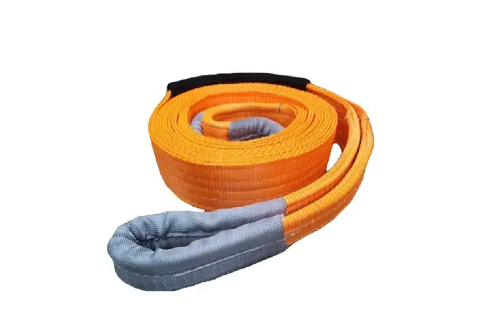
The length of your anchor rope is determined by the "scope" – the ratio of the length of the rode to the depth of the water. A standard scope is 7:1, meaning for every 1 foot of water depth, you should let out 7 feet of anchor rope. For example, if the water depth is 10 feet, you need to deploy 70 feet of rope.
Choosing the right scope ratio for your anchor rope is essential to ensure that your boat stays securely anchored under varying conditions. The scope, which is the ratio of the length of anchor rope deployed to the depth of the water, determines how effectively the anchor will hold. In general, the scope should be adjusted based on the weather and sea conditions to provide the best holding power.
Calm Weather (5:1): For calm conditions or day anchoring, a 5:1 scope ratio is sufficient. This means for every foot of water depth, deploy 5 feet of anchor rope. This is ideal for temporary anchoring in protected, sheltered waters with minimal risks.
Heavy Storms (10:1): In heavy storms or strong winds, use a 10:1 scope ratio to ensure that your anchor holds securely. For every foot of water depth, deploy 10 feet of anchor rope. This longer scope provides extra stability, reducing the risk of anchor dragging in challenging conditions.
When calculating the length of anchor rope, include both the water depth and the height of the boat's bow (freeboard). Always use the 7:1 ratio as a starting point for safety. For deeper waters or more exposed anchorages, increase the scope to 10:1 for optimal holding.
Tip: It’s better to overestimate your anchor rope length for security in various conditions. If in doubt, use a longer rope for extra safety.
Anchor chain is critical for ensuring your anchor holds in place. The weight of the chain helps to keep the rope pull horizontal, preventing the anchor from dragging. Additionally, the chain provides abrasion resistance, especially when the rope meets the seabed.
A common guideline is to use 1 foot of chain for every foot of boat length. For example, a 30-foot boat should have at least 30 feet of chain. In challenging conditions, such as rocky bottoms or strong currents, consider using more chain to improve stability and protect the anchor rope from abrasion, enhancing the anchor's holding power.
Ensure you’re using the correct shackles to connect the anchor rope to the chain. Always use shackles that are one size larger than the chain diameter (e.g., 1/4" chain uses 5/16" shackles) for a secure and reliable connection.
Tip: Regularly inspect shackles for wear, and ensure the rope is spliced properly to the chain to avoid any potential weak points.
If you’re using a windlass, ensure that the anchor rope and chain are compatible with your windlass’s gypsy (the wheel that handles the rode). Check the windlass manual for recommended rope and chain sizes, as using incompatible sizes can cause jams or damage to the windlass system.
For smooth operation with a windlass, splicing the anchor rope to the chain is crucial. Splicing provides a seamless transition that avoids jamming, allowing the rope to move smoothly through the gypsy. Using shackles can cause issues, such as the line catching or failing to pass through the gypsy properly, potentially damaging the windlass or causing anchor retrieval problems. A well-executed splice ensures durability and prevents friction that could lead to premature wear or failure of the anchoring system.
Ensure that the gypsy size matches the diameter of your anchor rope and chain. A mismatched gypsy can cause serious operational issues, including line tangles or even failure to retrieve the anchor.
Tip: Always confirm compatibility between the anchor rope, chain, and windlass to avoid costly repairs and ensure smooth operation.
Regularly inspecting your anchor rope is essential to maintaining its integrity. Look for signs of wear, such as fraying, kinking, or abrasions, particularly at high-stress points like the anchor's connection. Check for any weak areas that may compromise the rope’s strength, especially after long-term use or exposure to harsh conditions. Promptly replace sections showing significant damage to ensure your anchor system remains reliable and your vessel stays secure.
Proper storage of your anchor rope is crucial for extending its lifespan. Always store the rope in a cool, dry place, away from direct sunlight and moisture. UV rays can degrade synthetic materials, weakening the rope over time. If possible, use a dedicated storage locker to keep the rope organized and protected from abrasion. Avoid storing the rope loosely, as tangling can cause unnecessary wear during future use.
After each use, rinse your anchor rope thoroughly with fresh water to remove salt, dirt, and debris. Saltwater can cause long-term damage by weakening fibers and promoting corrosion on metal components. If your boat is often used in saltwater, this routine cleaning is essential to prevent build-up and maintain the rope’s strength. Allow the rope to dry fully before storing it to prevent mold or mildew growth, further extending its service life.
Selecting the right anchor rope is essential for safe anchoring. Consider the rope’s size, type, and length based on your boat and conditions. Xinglun Rope and Cable Co., Ltd. provides high-quality anchor ropes that ensure reliability and durability. With proper maintenance and setup, their products guarantee long-lasting performance and security, allowing you to anchor your boat with confidence in any condition.
A: The size of your anchor rope should match your boat's length. A good rule is to use 1/8" diameter per 9 feet of boat length for proper strength and durability.
A: Nylon is the best material for anchor ropes due to its elasticity, shock absorption, and strength. It handles heavy loads and absorbs shock from waves.
A: A standard guideline is a 7:1 scope ratio, meaning for every foot of water depth, deploy seven feet of anchor rope for optimal holding power.
A: Anchor chains help keep the rope pull horizontal, reducing drag and preventing the anchor from shifting. They also provide abrasion resistance on rough seabeds.
A: Polypropylene anchor ropes are lightweight and affordable, but they're best for short-term use, as they lack the strength and durability of materials like nylon.


