Views: 0 Author: Site Editor Publish Time: 2025-12-23 Origin: Site


Marine ropes play a vital role in industries like shipping, fishing, and water sports. Among the most common types are Nylon vs Polypropylene Rope, each with unique properties for various tasks.In this article, we will explore the key differences between these ropes, discussing their strengths, weaknesses, and ideal applications. By the end, you'll know which rope suits your needs best.
Nylon marine rope is renowned for its superior strength, making it an excellent choice for heavy-duty applications. Compared to other materials like manila or polypropylene, nylon is significantly stronger, capable of handling large loads and extreme conditions. This strength makes nylon the preferred choice for tasks such as towing and securing vessels.
One of the key features of nylon rope is its shock absorption capacity. Nylon can stretch up to 30-35% of its original length, which helps it absorb sudden loads and impacts. This elasticity makes nylon ideal for dynamic applications where forces like waves or winds can place sudden strain on the rope, preventing breakage or damage.
Nylon marine rope is commonly used in mooring lines, towing lines, and anchor ropes. Its strength, combined with shock absorption properties, ensures that these ropes can withstand dynamic forces while providing a secure hold for vessels in challenging conditions.
Polypropylene rope is lightweight and offers excellent buoyancy. This rope type floats on water, making it the go-to option for applications that require the rope to remain on the surface, such as water sports and buoy lines. Its buoyancy ensures that it won’t get lost underwater and is easy to retrieve.
Polypropylene has a natural resistance to mildew and various chemicals, making it suitable for wet environments. Unlike nylon, which absorbs water, polypropylene repels moisture, ensuring its strength remains consistent in wet conditions. This makes it perfect for use in environments prone to rot and mildew, like marinas or fishing areas.
The following table outlines the common uses of polypropylene marine ropes, including key data, practical applications, and important considerations for each use case, helping you make an informed decision.
| Use Case | Description | Key Data | Practical Considerations | Cautions and Notes |
|---|---|---|---|---|
| Water Sports (Ski, Wakeboarding, Tubing) | Polypropylene ropes are commonly used for water sports like skiing, wakeboarding, and tubing due to their buoyancy. | - Floats on water - Lightweight for easy handling - Available in bright colors for visibility | Ideal for quick retrieval from water due to buoyancy. Great for recreational use. | Not suitable for high-strength needs. Prolonged UV exposure weakens material. |
| Pool Markers | Used in pools for lane marking and barriers, polypropylene rope is lightweight and easy to see. | - UV-resistant (if treated) - Brightly colored for high visibility | Polypropylene ropes help define lanes and are often used for temporary setups in pools. | UV exposure can degrade the rope over time; ensure UV protection if left outside for extended periods. |
| Light-Duty Mooring | Ideal for securing small boats in calm waters, polypropylene’s buoyancy keeps the rope visible and easy to retrieve. | - Buoyant - Resistant to rot and mildew - Lightweight | Perfect for small boat applications, but not suitable for larger vessels or heavy-duty mooring. | Can degrade in harsh weather conditions; avoid use in areas with frequent strong tides or winds. |
| Buoy Lines (Small Craft/Recreational Boating) | Used for securing buoys to mark locations in the water, ensuring visibility and easy retrieval. | - Lightweight and floats - Can withstand exposure to saltwater | Easy to handle and helps in marking areas for small boats or fishing zones. | Less durable than nylon, especially in high-stress conditions. Regular inspection is needed. |
| Temporary Mooring | Provides short-term mooring for recreational boats or docks, where cost and light weight are a priority. | - Low cost - Good buoyancy - Flexible | Perfect for light, temporary setups but should not be relied upon for permanent mooring. | Not recommended for long-term or high-load applications. Check for wear frequently. |
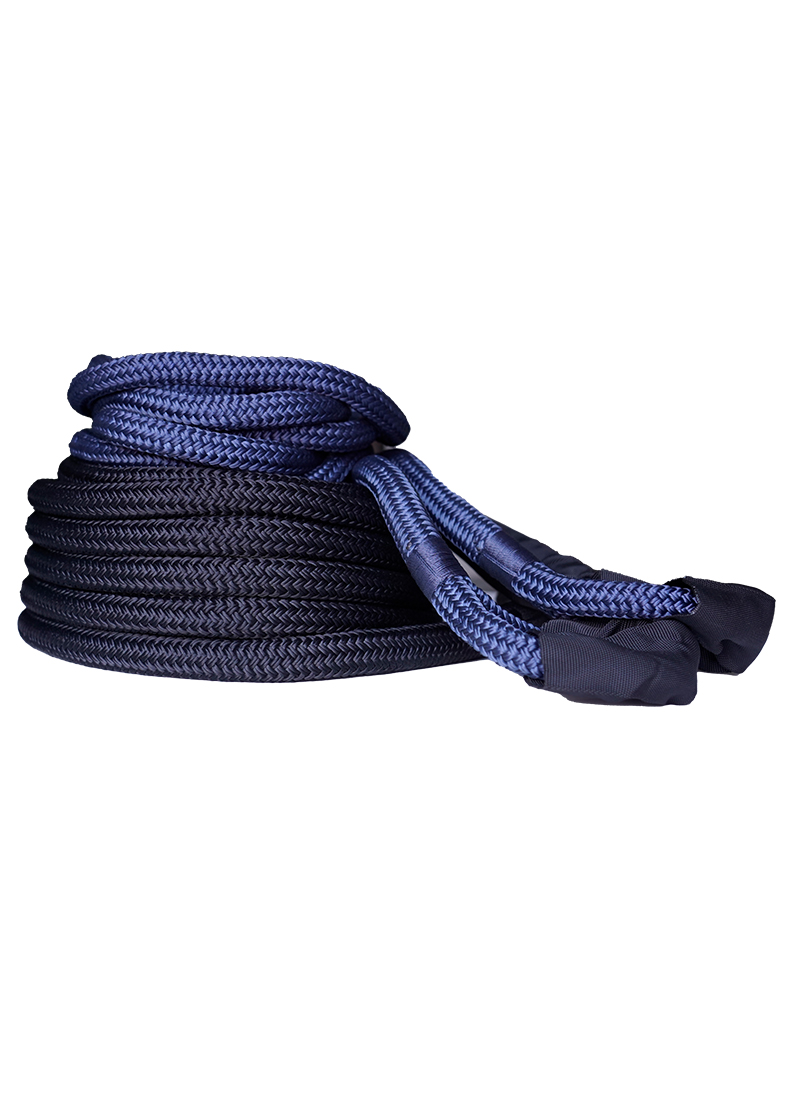
Nylon vs Polypropylene Rope: Nylon ropes are stronger and more durable than polypropylene, making them ideal for heavy-duty tasks that require significant load-bearing capacity. Nylon's tensile strength is about 2.5 times that of manila rope, while polypropylene's strength is about 2 times that of manila.
When comparing buoyancy, polypropylene wins hands down. It floats on water, which makes it ideal for floating applications like water sports. Nylon, on the other hand, sinks in water, which is advantageous for tasks like anchor lines where you need the rope to settle on the seabed. Water absorption also varies: nylon can absorb up to 7% of its weight in water, which temporarily weakens its strength, while polypropylene is highly resistant to water and maintains its strength even when wet.
Polypropylene is more susceptible to UV degradation compared to nylon. It can break down faster when exposed to sunlight, making it less durable for long-term outdoor use unless treated with UV stabilizers. Nylon, while still affected by UV rays, generally holds up better and has a longer lifespan in sunlight.
Nylon’s ability to stretch and absorb shocks makes it the preferred choice for heavy-duty tasks like towing and mooring. When a vessel is subjected to sudden movements caused by waves, wind, or other forces, the elasticity of nylon helps absorb those shocks, preventing damage to both the rope and the vessel.
The shock absorption capabilities of nylon rope not only protect equipment but also enhance safety. Sudden jerks or dynamic loads in marine environments can lead to equipment failures if not properly managed. Nylon’s ability to elongate and absorb these shocks helps minimize the risk of rope failure during critical operations.
One of the main advantages of polypropylene rope is its cost-effectiveness. Polypropylene is significantly cheaper than nylon, making it ideal for applications where budget constraints are a factor. If the rope doesn’t need to bear heavy loads or withstand extreme conditions, polypropylene offers a more affordable solution.
Polypropylene’s buoyancy and lightweight nature make it the top choice for water sports like wakeboarding and skiing. Its ability to float on the water keeps the rope easily accessible, minimizing the risk of entanglement with boat propellers. It’s also often used for pool lane markers, where its visible color and floating properties are essential.
The following table compares the advantages and ideal use cases of Nylon vs Polypropylene Rope for different marine applications, helping you make an informed decision.
| Criteria | Nylon Rope | Polypropylene Rope |
|---|---|---|
| Application Type | Dynamic loads and heavy-duty tasks (e.g., mooring, towing) | Static loads and light-duty tasks (e.g., small boat mooring, pool applications) |
| Strength and Durability | Superior strength; ideal for high-load, high-stress applications | Adequate strength for light-duty tasks; less durable than nylon |
| Shock Absorption | Excellent shock absorption (30-35% elongation) | Minimal shock absorption (15-20% elongation) |
| Ideal Uses | - Mooring lines - Towing lines - Anchor ropes - Heavy-duty tasks | - Water sports (ski ropes, wakeboard lines) - Pool lane markers - Small boat mooring |
| Buoyancy | Sinks in water; ideal for anchor lines that need to settle | Floats on water; ideal for applications where buoyancy is crucial |
| Weather Resistance | Good UV resistance, but can degrade over long exposure without stabilizers | Poor UV resistance; degrades faster under sunlight |
| Water Absorption | Absorbs water (loses strength temporarily when wet) | Resists water absorption; maintains strength in wet conditions |
| Handling | Heavier, more challenging to handle for long distances | Lightweight and easy to handle; perfect for recreational uses |
| Cost | More expensive, higher upfront cost due to superior strength and durability | More economical; suitable for budget-conscious tasks |
| Best for | Heavy-duty mooring, towing, high-stress marine applications | Lightweight tasks, buoyant applications, and temporary uses |
| Durability Over Time | Long-lasting in harsh marine environments, ideal for long-term use | Suitable for short-term or light-duty applications; may wear out faster |
Tip: For heavy-duty tasks like mooring and towing, choose nylon for its strength and shock absorption. For lighter, buoyant applications, polypropylene is a cost-effective choice.
When choosing the right rope for your vessel, it's crucial to consider both the vessel size and its weight. Larger vessels exert more force on ropes, especially during rough weather or high winds. This makes nylon, with its superior strength and elasticity, the optimal choice for heavy-duty applications. Nylon ropes can handle the higher load requirements and dynamic forces exerted on larger vessels, providing better security and reducing the risk of rope failure during challenging conditions.
Environmental conditions play a significant role in selecting the ideal rope. If you're operating in harsh marine environments with high UV exposure, saltwater, or extreme temperatures, nylon ropes offer greater durability due to their superior UV resistance and ability to withstand wear from seawater. However, if the application is in calmer, protected waters or for temporary use, polypropylene is a more suitable option due to its buoyancy, mildew resistance, and lower maintenance in mild conditions, offering better short-term value.
Cost is a critical factor when selecting marine ropes, especially for projects on a budget. Polypropylene ropes are typically cheaper than nylon ropes, making them an attractive choice for light-duty tasks or applications that don’t require the highest strength. However, nylon’s higher upfront cost is justified in the long run due to its exceptional durability, strength, and shock absorption properties. For demanding applications, such as mooring large vessels or towing, nylon offers better long-term value by reducing the frequency of replacements and maintenance costs.
In conclusion, both nylon and polypropylene ropes offer unique benefits and are suited for different marine applications. Nylon rope is ideal for heavy-duty tasks that require strength, elasticity, and shock absorption. It excels in high-stress conditions, such as mooring, towing, and anchor lines. Polypropylene rope, on the other hand, is lightweight, buoyant, and cost-effective, making it perfect for water sports, pool markers, and light-duty applications. For reliable and durable marine ropes, Xinglun Rope and Cable Co., Ltd. offers high-quality options for both nylon and polypropylene ropes, ensuring superior performance in all conditions.
A: Nylon vs Polypropylene Rope differs in strength, elasticity, and water absorption. Nylon is stronger and absorbs shock better, making it ideal for heavy-duty tasks. Polypropylene, on the other hand, is lighter, buoyant, and resistant to mildew, making it suitable for lighter, buoyant applications like water sports.
A: Use Nylon vs Polypropylene Rope based on your needs. For heavy-duty tasks like towing or mooring, nylon’s strength and shock absorption make it ideal. For lighter, buoyant applications like water sports, polypropylene is more cost-effective and floats.
A: Nylon is generally more durable than polypropylene under UV exposure. Polypropylene degrades faster in sunlight, making nylon the better choice for long-term outdoor use in harsh conditions.
A: Nylon vs Polypropylene Rope serves different purposes. Nylon is commonly used for mooring, towing, and anchoring, while polypropylene is ideal for water sports, pool markers, and light-duty mooring tasks.


