Views: 0 Author: Site Editor Publish Time: 2025-12-26 Origin: Site


Rope stretch plays a crucial role in selecting the right rope for your needs. Have you ever wondered how the stretch of your rope affects its performance? Understanding how ropes stretch can help you avoid accidents and inefficiency. In this article, we will explore the impact of rope stretch on safety, performance, and longevity. You'll learn about different types of rope stretch, materials, and how to choose the best rope for your specific application.
Rope stretch is the elongation that occurs when a rope is loaded or put under tension. This elongation is essential in many applications, as it allows the rope to absorb forces. However, different materials and constructions lead to varying degrees of stretch.
Constructional Stretch: This refers to the initial stretch that occurs as the rope adjusts to the load during its first use. It is more significant in the early period of the rope's service life.
Elastic Stretch: This type of stretch happens when a rope stretches and then returns to its original length after the load is released. Dynamic ropes, used in climbing, are specifically designed for this purpose to absorb shock during falls.
Plastic (Permanent) Stretch: Unlike elastic stretch, plastic stretch is permanent. It happens when a rope is loaded beyond its elastic limit, causing irreversible deformation. This type of stretch is typically seen when ropes are stretched too far or too frequently. For example, ropes that have been overloaded or used beyond their rated capacity may exhibit plastic stretch, leading to a reduction in their strength and functionality.
Creep:Creep refers to the gradual, time-dependent elongation of a rope under a constant load. Unlike elastic or plastic stretch, creep occurs slowly over time, typically under prolonged use or tension. This type of stretch is more common in materials like polypropylene, which tend to elongate when under moderate tension for extended periods. Creep can affect ropes used in long-term applications where they are subjected to constant stress.
The table below compares key rope materials based on stretch, strength, and application suitability.
| Material | Stretch Characteristics | Strength (Tensile) | UV Resistance | Common Applications | Advantages | Disadvantages |
|---|---|---|---|---|---|---|
| Nylon | High stretch (15-30%) | 8,000-12,000 lbs per inch² | Moderate | Climbing ropes, boat docking, load-bearing applications | Excellent shock absorption, flexibility | Can lose strength when wet, expensive |
| Polyester | Low stretch (12-15%) | 6,000-9,000 lbs per inch² | High | Tents, flagpoles, guylines, fabric structures | Strong, UV resistant, low stretch, durable | Less shock absorption, less elasticity |
| Kevlar (Aramid) | Very low stretch (1-5%) | 20,000-25,000 lbs per inch² | Low | Industrial use, safety lines, high-stress applications | Extremely strong, minimal stretch, heat resistant | Expensive, not UV resistant, rigid |
| Polypropylene | Moderate stretch (18-22%) | 3,000-5,000 lbs per inch² | Low | Water sports, temporary tie-downs, recreational use | Lightweight, floats on water, cost-effective | Low durability, poor UV resistance, weaker than nylon or polyester |
| Cotton | Very low stretch (5-10%) | 2,500-4,000 lbs per inch² | None | Light-duty outdoor applications, temporary uses | Soft, eco-friendly, low stretch | Poor durability, not suitable for long-term outdoor use |
Tip:When choosing a rope, consider both stretch characteristics and tensile strength based on the demands of your application. For dynamic applications like climbing, nylon offers high stretch for shock absorption. For static uses like securing tents, polyester or Kevlar may be a better choice due to their low stretch and durability.
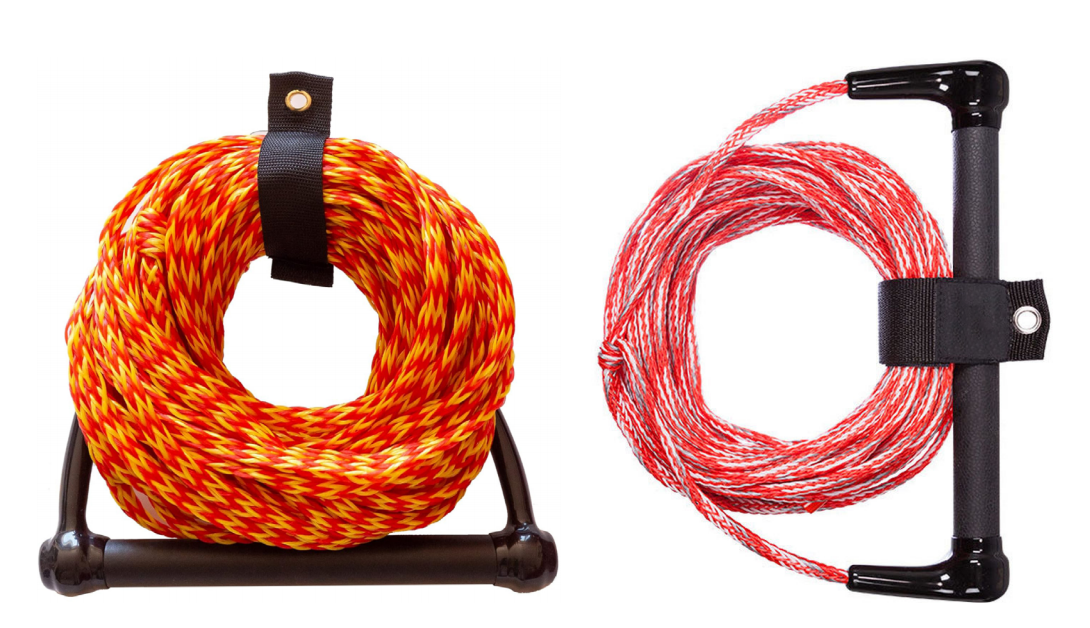
Constructional stretch occurs as the rope fibers realign when the rope first comes under load. This is typically seen during the initial use of a rope, where the fibers adjust and straighten out. It is a temporary form of stretch that happens in most ropes.
Elastic stretch is crucial for shock absorption. It allows a rope to return to its original length after being stretched. This property is especially important in climbing, where a dynamic rope’s ability to stretch and absorb a fall’s energy reduces the risk of injury.
| Type of Stretch | Definition | Stretch Characteristics | Tensile Strength Impact | Common Applications | Advantages | Disadvantages | Considerations |
|---|---|---|---|---|---|---|---|
| Constructional Stretch | Initial elongation as rope adjusts to load | Temporary, typically 5-10% | Minimal effect on strength | First use of ropes, load-bearing applications, securing loads | Helps ropes "break in," ensures uniform load distribution | Can lead to uneven load distribution if excessive | Important to monitor during the initial usage phase |
| Elastic Stretch | Stretch that returns after load is released | High, up to 15-30% (varies by rope type) | Absorbs shock, reduces load impact | Climbing ropes, bungee cords, dynamic applications | Shock absorption, ideal for sudden or dynamic loads | Can cause excessive elongation if used beyond limits | Essential for high-impact tasks, ensure it matches the task needs |
Tip:To effectively manage both constructional and elastic stretch, ensure the rope's design suits the application. For dynamic uses like climbing, prioritize elastic stretch for shock absorption, while for stable, long-term applications, focus on minimizing constructional stretch for consistent load distribution.
Different tasks require different amounts of stretch. For heavy-duty uses, such as towing or rigging, you’ll need a rope with minimal stretch to maintain control and stability. Conversely, for dynamic activities like climbing or bungee jumping, a rope with more stretch can enhance safety and performance by absorbing shock forces.
Low Stretch: Low-stretch ropes are perfect for applications where stability and control are crucial. For example, when securing tents or flagpoles, minimal elongation is needed to prevent sagging. These ropes maintain their shape and tautness under tension, ensuring that structures remain stable and don’t shift due to external forces, such as wind or weight.
High Stretch: High-stretch ropes, such as those used in climbing, are designed to absorb shock forces, reducing the risk of injury during falls. The elasticity helps to cushion the climber's impact, making these ropes ideal for dynamic activities. Additionally, bungee cords also rely on high stretch to function, providing significant elongation for their rebound and elasticity.
Low-stretch ropes, while more durable, may lack the flexibility needed in some applications. For example, a rope with minimal stretch may be less forgiving under tension, which could be a disadvantage in dynamic situations. It's important to consider whether flexibility or durability is more important for your specific application.
In climbing, rope stretch is vital for absorbing the energy generated during a fall. Dynamic ropes are designed to stretch under load, helping to dissipate the force, reducing the shock transmitted to both the climber and the anchor point. This shock absorption prevents gear failure and minimizes injury risk, making it essential for safety in high-impact activities.
Excessive rope stretch can compromise safety, especially in ropes not designed for high elasticity. When ropes stretch beyond their intended limits, they may lose their ability to return to their original length or even break under continued use. Over-stretching can also weaken the fibers, leading to instability, increasing the risk of failure in high-stress conditions.
For safety-critical tasks, always choose ropes with appropriate stretch characteristics. For static tasks requiring stability, opt for low-stretch ropes. In dynamic activities, select ropes with higher elasticity to absorb shock. Regular inspections for wear and tear, including checking for excessive stretch, help ensure ropes maintain their safety and performance over time.
Regular rope maintenance is essential for ensuring continued performance and safety. Check ropes for signs of excessive stretch, fraying, or any other damage, especially after heavy use or exposure to harsh conditions like UV rays, moisture, or chemicals. This is crucial for high-tension ropes used in climbing, construction, or rigging. Regularly inspecting ropes allows early detection of wear and potential failure points, enabling you to replace or repair them before they fail, thus extending their service life and maintaining their strength and functionality.
Pre-stretching ropes during manufacturing helps minimize future elongation, ensuring they maintain their strength and performance over time. By stretching the rope before use, manufacturers eliminate some of the constructional stretch that occurs during the initial use phase. This is particularly beneficial for applications that require precise, consistent tension, such as in anchoring systems or structural support. Pre-stretched ropes also require fewer adjustments over time, improving reliability and reducing the frequency of re-tensioning or replacement, making them ideal for long-term and high-performance applications.
The following table compares pre-stretched ropes with regular ropes, considering key factors like cost, performance, and applications. This will help you make an informed decision based on your needs.
| Factor | Pre-Stretched Ropes | Regular Ropes |
|---|---|---|
| Cost | Higher, due to additional processing steps | Lower, as they require no pre-stretching |
| Stretch Characteristics | Minimal stretch, consistent performance | Higher initial stretch, may require adjustments over time |
| Performance | Superior consistency and stability, ideal for high-precision tasks | May stretch more over time, affecting performance in long-term use |
| Durability | Typically longer-lasting due to reduced initial elongation | May experience more wear and tear, leading to reduced lifespan |
| Applications | High-performance tasks, structural support, anchoring, tensioning systems | Casual or short-term uses, low-tension applications |
| Maintenance | Requires fewer adjustments, consistent tension throughout use | Needs regular re-tensioning and monitoring of stretch over time |
| Manufacturing Process | Involves extra pre-stretching phase to reduce future elongation | Standard rope manufacturing without pre-stretching |
Tip:For tasks requiring precision and minimal stretch, pre-stretched ropes offer more reliable performance, though they come at a higher cost. Regular ropes may be more economical for casual, short-term applications.
In outdoor activities like camping, hiking, and climbing, rope stretch plays a crucial role in performance and safety. For example, ropes used for tents, guylines, and anchors need to strike a balance between stretch and stability. Too much stretch can cause tents to sag, while too little can lead to tension on the ropes, risking failure. Properly chosen ropes ensure that structures remain secure despite changing weather or environmental conditions, enhancing both safety and functionality.
Ropes used in industrial settings, such as rigging, towing, and construction, must have minimal stretch to maintain stability and safety under heavy loads. Low-stretch ropes provide reliable support, preventing elongation that could compromise load control. These ropes are designed to withstand significant stress without deforming, ensuring that equipment and workers remain safe in high-tension applications, like lifting or securing heavy machinery.
Stretching ropes are commonly used in recreational activities like bungee jumping and in emergency rescue operations, where their ability to absorb shock and reduce impact is vital. The elasticity of these ropes ensures that sudden forces, such as falls or rapid tension changes, are safely absorbed. Additionally, in fitness exercises, stretching ropes provide controlled resistance, helping improve flexibility and muscle strength while reducing the risk of injury.
Understanding rope stretch is crucial for selecting the right rope for your needs. Whether you need minimal stretch for stability or high stretch for shock absorption, choosing the right rope enhances both safety and performance. Consider the material, stretch characteristics, and application when selecting a rope. By understanding these factors, you can ensure optimal performance for industrial, outdoor, or recreational tasks. Xinglun Rope and Cable Co., Ltd. offers a variety of high-quality ropes with reliable stretch characteristics, providing solutions that guarantee durability, safety, and performance for all your rope needs.
A: Rope stretch refers to the elongation of a rope when a load is applied. It’s essential to understand rope stretch for selecting the right rope for various applications, ensuring optimal performance and safety.
A: Rope stretch is crucial for climbing because it absorbs shock during a fall. This helps reduce the impact on both the climber and the anchor point, enhancing safety.
A: When choosing a rope, consider the required stretch for your activity. High-stretch ropes like nylon are ideal for dynamic uses, while low-stretch ropes like polyester are better for tasks needing stability.
A: Yes, excessive rope stretch can weaken fibers over time, especially if the rope is stretched beyond its elastic limit. Regular inspection and maintenance can help manage stretch and prolong rope life.


